Newsletter Subscribe
Enter your email address below and subscribe to our newsletter

 ByJohn A
Electronic devices are an important part of modern life, but they eventually become outdated, damaged, or unwanted. Computers, televisions, mobile phones, printers, monitors, and other electronic equipment can create significant waste when they are no longer useful. Electronic disposal in Chicago provides a responsible way to manage these items while helping reduce environmental harm.
Proper electronic disposal is more than simply getting rid of unwanted equipment. Electronics contain valuable materials that can often be recovered and reused, as well as components that require careful handling. Responsible disposal helps keep potentially harmful materials out of landfills, supports recycling, and encourages better use of natural resources.
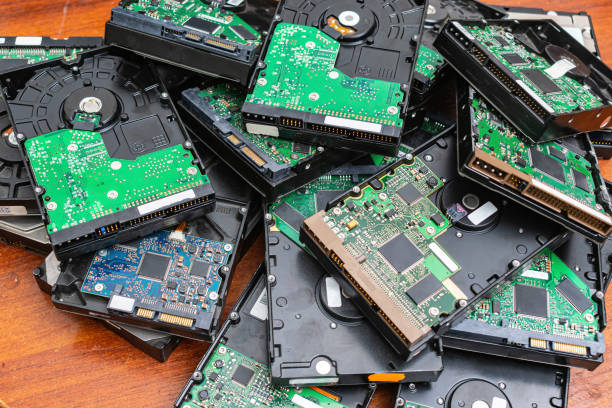
Electronic waste, often called e-waste, refers to discarded electrical and electronic equipment. It can come from homes, offices, schools, retail businesses, and other organisations.
See also: What Is Web3 and Why Does It Matter?
Examples of electronic waste include:
The amount and type of e-waste can vary significantly. Some equipment may contain recyclable metals, plastics, glass, and other materials, while certain components require specialised handling.
Throwing electronics into ordinary rubbish can create several environmental concerns. Electronic equipment is made from a combination of materials, and some components should not be treated like general household waste.
Certain electronic components can contain substances that may be harmful if they are improperly managed. When electronic waste is damaged, burned, dismantled incorrectly, or placed in unsuitable disposal sites, these substances can potentially affect soil, water, and air.
Responsible disposal helps ensure that electronic equipment is handled through appropriate processes rather than being carelessly discarded.
Landfill space is limited, and electronic equipment can take up considerable room. Disposing of large quantities of electronics through general waste streams increases the volume of material sent to landfills.
Recycling and responsible processing can divert suitable electronic items away from landfill disposal. This helps make better use of available waste-management resources.
One of the main environmental benefits of responsible electronic disposal is material recovery. Many electronic products contain materials that can potentially be separated and reused.
Electronics can contain materials such as:
Recovering these materials reduces the need to obtain the same resources from new raw materials.
For example, metals recovered from discarded electronics can potentially be processed and incorporated into manufacturing processes. This supports a more circular approach to resource management.
Manufacturing products from newly extracted resources can require mining, transportation, processing, and significant energy use. Recycling suitable materials can reduce some of the demand for virgin resources.
When electronic waste is processed correctly, materials that might otherwise be discarded can re-enter the supply chain.
Material recovery can also contribute to energy conservation. Producing certain materials from recycled sources can require less energy than producing them from newly extracted resources, although the actual savings depend on the material and recycling process.
Responsible electronic disposal allows recoverable components to be separated and processed. Instead of treating an entire device as waste, useful materials can be identified and directed toward appropriate recycling streams.
This approach helps reduce unnecessary waste and encourages more efficient resource use.
Environmental protection is an important part of electronic disposal, but businesses and individuals may also need to consider the information stored on unwanted devices.
Computers, phones, hard drives, storage devices, and other electronics can contain personal, financial, business, or confidential information.
Simply throwing away an old device does not necessarily remove the information stored on it. Before equipment is recycled or disposed of, data should be managed appropriately.
Depending on the device and circumstances, this may involve:
Data management and environmental disposal are separate considerations, but both are important when retiring electronic equipment.
Businesses can generate substantial quantities of electronic waste because technology is regularly upgraded or replaced. Offices may accumulate outdated computers, monitors, printers, networking equipment, and other devices.
A clear internal process can make electronic waste management easier. Businesses can identify equipment that is no longer required and separate it from equipment that is still operational.
Items can then be assessed to determine whether they should be reused, repaired, donated where appropriate, recycled, or processed through another responsible disposal method.
Electronics should not automatically be placed with ordinary office rubbish. Keeping unwanted electronic equipment separate makes it easier to direct those items toward suitable recycling or disposal processes.
Businesses can also maintain basic records of equipment that has been retired, particularly when handling large quantities of devices.
Recycling is important, but reuse can sometimes extend the useful life of electronic equipment even further.
A device that is no longer suitable for one user may still be functional for another purpose. Repair, refurbishment, upgrading, or responsible redistribution can potentially keep equipment in use for longer.
Extending the lifespan of products can reduce the demand for new equipment and delay the point at which materials become waste.
However, equipment that is damaged, obsolete, or unsuitable for reuse should be directed toward an appropriate recycling or disposal process.
Chicago is a large urban area with households, offices, schools, businesses, and organisations using significant amounts of electronic equipment. As technology changes, responsible e-waste management becomes increasingly important.
Proper electronic disposal helps reduce the likelihood of unwanted devices entering inappropriate waste streams. It also supports the recovery of materials that might otherwise be lost.
Responsible disposal practices can contribute to broader efforts to reduce waste, conserve resources, and minimise environmental impacts associated with discarded electronics.
Individuals can take several practical steps when replacing old electronics.
Before disposing of an electronic device, determine whether it can be repaired, reused, donated, or recycled. Avoid placing electronic equipment in general rubbish unless local waste-management guidance specifically permits it.
Different electronic items may have different disposal requirements. Some products may be accepted through designated collection programmes, recycling facilities, or other approved waste-management services.
Checking current local requirements before disposal helps ensure that electronics are handled correctly.
Responsible electronic disposal plays an important role in protecting the environment. By keeping electronic waste out of unsuitable disposal streams, recovering valuable materials, reducing landfill waste, and supporting more efficient resource use, proper disposal can help minimise the environmental impact of unwanted technology.
For households and businesses, responsible e-waste management starts with understanding what should happen to electronic equipment when it reaches the end of its useful life. Reuse, repair, recycling, and appropriate disposal can all play a role.
As electronic devices continue to become part of everyday life, making informed disposal decisions can help support cleaner communities, conserve valuable resources, and promote a more responsible approach to electronic waste management.