Newsletter Subscribe
Enter your email address below and subscribe to our newsletter

 ByJohn A
Healthy trees can add beauty, shade, privacy and environmental value to residential and commercial properties. However, trees need appropriate care to maintain their structure and manage unwanted or potentially hazardous growth. Pruning is one of the most important aspects of ongoing tree maintenance, but different pruning techniques serve different purposes.
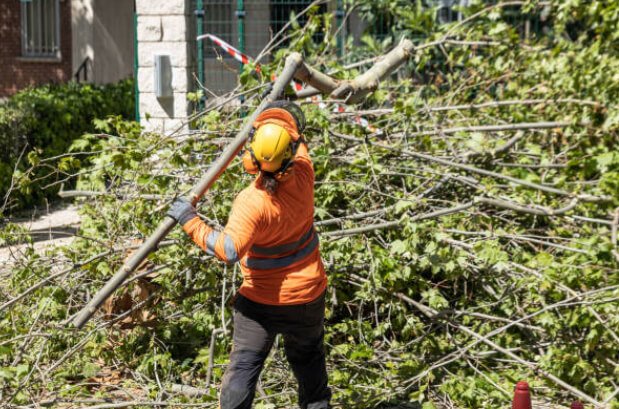
Tree Pruning in Cockatoo can help manage branches, improve the structure of trees and address certain safety concerns when carried out correctly. Understanding common pruning methods can help property owners recognise why particular branches may need to be removed and how professional pruning can support long-term tree health.
Trees naturally grow in different directions and can develop branches that become weak, damaged, overcrowded or poorly positioned. Without appropriate maintenance, some branches may interfere with buildings, pathways, power infrastructure or other parts of a property.
Pruning is not simply about cutting branches to make a tree look smaller. The aim is to remove selected growth while maintaining the tree’s natural structure and supporting healthy development.
Regular assessment can help identify branches that may require attention before they become a larger problem.
Property owners may consider pruning for several reasons, including:
The appropriate approach depends on the tree species, age, condition, location and reason for pruning.
Different pruning methods are used for different circumstances. A professional arborist can assess the tree before determining which technique is most suitable.
Crown cleaning involves removing selected dead, dying, diseased, broken or poorly attached branches from the tree’s canopy.
The purpose is to reduce unnecessary or potentially hazardous growth without significantly changing the overall size or natural shape of the tree.
This method can be useful for trees with a number of dead or damaged branches, particularly where those branches are located above areas used by people or vehicles.
Crown thinning involves selectively removing some branches throughout the canopy. The aim is to reduce excessive branch density while maintaining the tree’s natural form.
Unlike indiscriminate cutting, selective thinning should be carefully planned to avoid removing too much foliage.
Potential benefits can include:
The amount of foliage removed should be appropriate for the individual tree. Excessive pruning can place unnecessary stress on a tree.
Crown raising involves removing lower branches to increase clearance beneath the canopy. This technique may be used where branches are obstructing pathways, driveways, roads or buildings.
For example, branches growing too low over a footpath may restrict pedestrian access. Similarly, lower branches may interfere with vehicles entering a driveway.
Crown raising should be carried out carefully because removing too many lower branches can affect the tree’s structure and appearance.
Crown reduction reduces the overall height or spread of a tree by shortening selected branches back to suitable lateral branches.
This technique may be considered when a tree has become too large for its location or when particular branches are approaching structures or other obstacles.
Proper reduction is different from simply cutting the ends of branches. Incorrect cutting can encourage weak regrowth and create an unattractive or structurally compromised canopy.
A qualified arborist can determine whether crown reduction is appropriate for the species and condition of the tree.
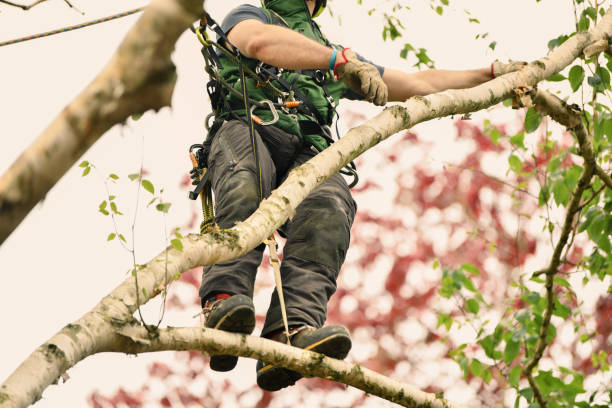
Dead branches can occur naturally as trees age, while others may result from storms, disease or physical damage. Some dead branches can remain attached for a considerable period, but they may eventually fall.
Removing hazardous deadwood can reduce potential risks, particularly when branches are located above:
Professional assessment is useful when determining whether a branch is sufficiently unstable to require removal.
See also: How Electronic Disposal in Chicago Helps Protect the Environment
Pruning is not only for mature trees. Young trees can benefit from appropriate structural pruning that encourages a strong and balanced framework as they develop.
Early intervention can help address problems such as competing leaders, poorly positioned branches or weak branch attachments.
Appropriate structural pruning may help:
However, young trees should not be heavily pruned without a clear reason. Excessive removal can interfere with natural development.
Branches growing close to roofs, gutters, walls and other structures may require attention. They can rub against surfaces, block gutters or create access issues for maintenance.
Trees growing near powerlines require particular care. Working around electrical infrastructure can be extremely dangerous, and property owners should not attempt to prune branches near live powerlines themselves.
Where electrical infrastructure is involved, appropriate professionals and utility providers should be consulted to ensure the work is undertaken safely and in accordance with applicable requirements.
Incorrect pruning can cause unnecessary damage. Cutting branches in the wrong location, removing too much foliage or using unsuitable techniques can affect the tree’s ability to recover.
Professional Tree Pruning in Cockatoo involves considering the tree’s species, condition, structure and surrounding environment before cuts are made.
A professional assessment may consider:
This approach helps ensure pruning has a specific purpose rather than simply reducing the tree’s size.
The ideal pruning time can vary depending on the tree species, local conditions and the reason for pruning. Some trees can be pruned at different times of the year, while others may respond better to pruning during particular growth periods.
Weather conditions can also influence the timing of work. Professional advice can help determine an appropriate schedule based on the individual tree.
It is also important to inspect trees after significant storms. Broken or hanging branches may require prompt attention if they present an immediate safety concern.
Tree pruning may appear straightforward, but poor techniques can cause long-term problems. One common mistake is removing excessive amounts of foliage in a single session.
Other problems include topping, making inappropriate cuts, leaving damaged branch stubs and pruning without considering the tree’s natural structure.
Homeowners should avoid attempting complex pruning on large trees or branches located close to buildings and electrical infrastructure.
Consider arranging a professional assessment if you notice:
Early assessment can help identify issues before they become more difficult to manage.
Trees provide important environmental and landscape benefits, so pruning should be undertaken with care. The objective should be to maintain the tree rather than unnecessarily remove healthy growth.
Tree Pruning in Cockatoo can be an effective part of responsible property maintenance when the correct method is selected and the work is performed appropriately.
Pruning can improve clearance, remove damaged branches, support better structure and help manage trees around buildings and other property features. However, not every tree needs the same treatment.
Understanding different pruning techniques makes it easier to appreciate why professional tree care involves more than simply cutting branches. Crown cleaning, crown thinning, crown raising, crown reduction and structural pruning each have different purposes and should be selected according to the tree’s condition and location.
For homeowners, Tree Pruning in Cockatoo can help maintain safer, healthier and more manageable trees when carried out using appropriate methods. Regular assessment can also help identify damaged, weak or poorly positioned branches before they create larger maintenance concerns.
Whether you are managing a mature tree near your home or establishing young trees in your garden, thoughtful pruning can support their structure and appearance while helping you maintain a well-managed outdoor space.